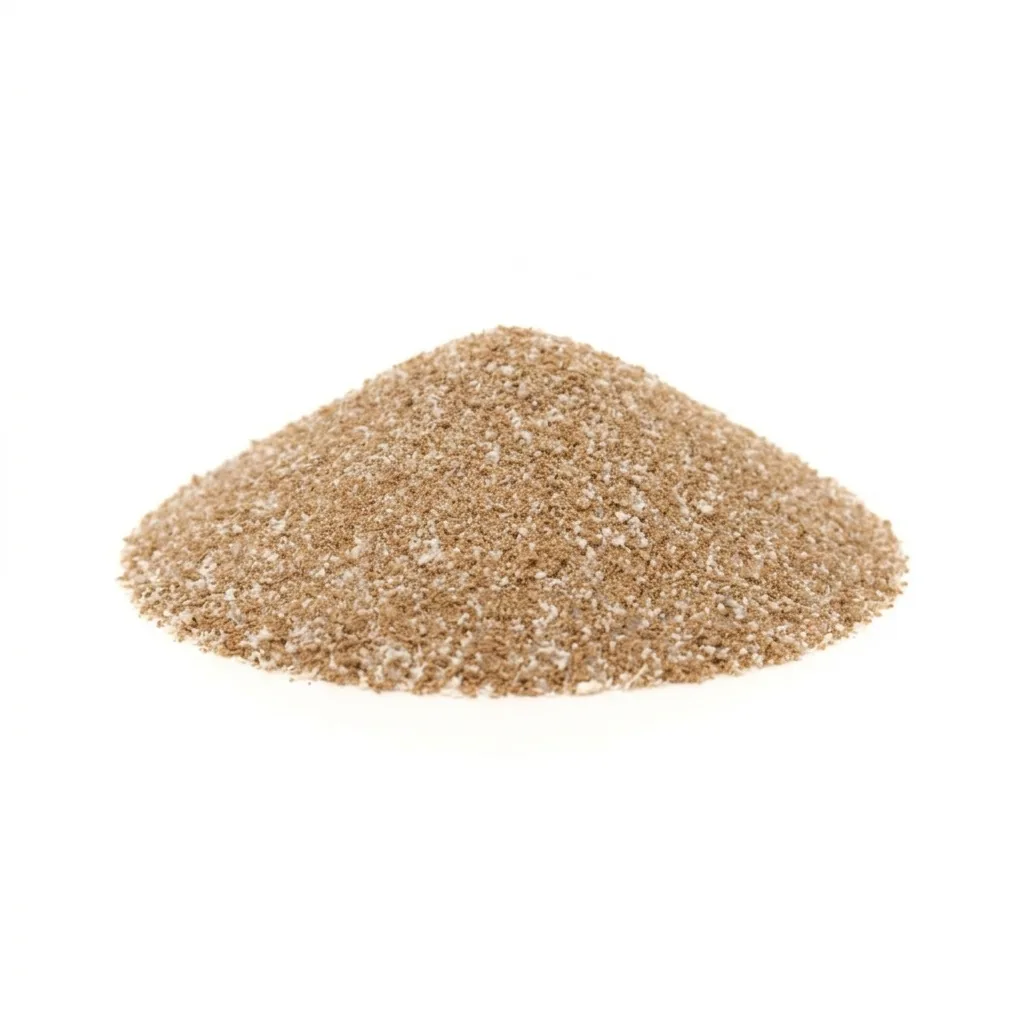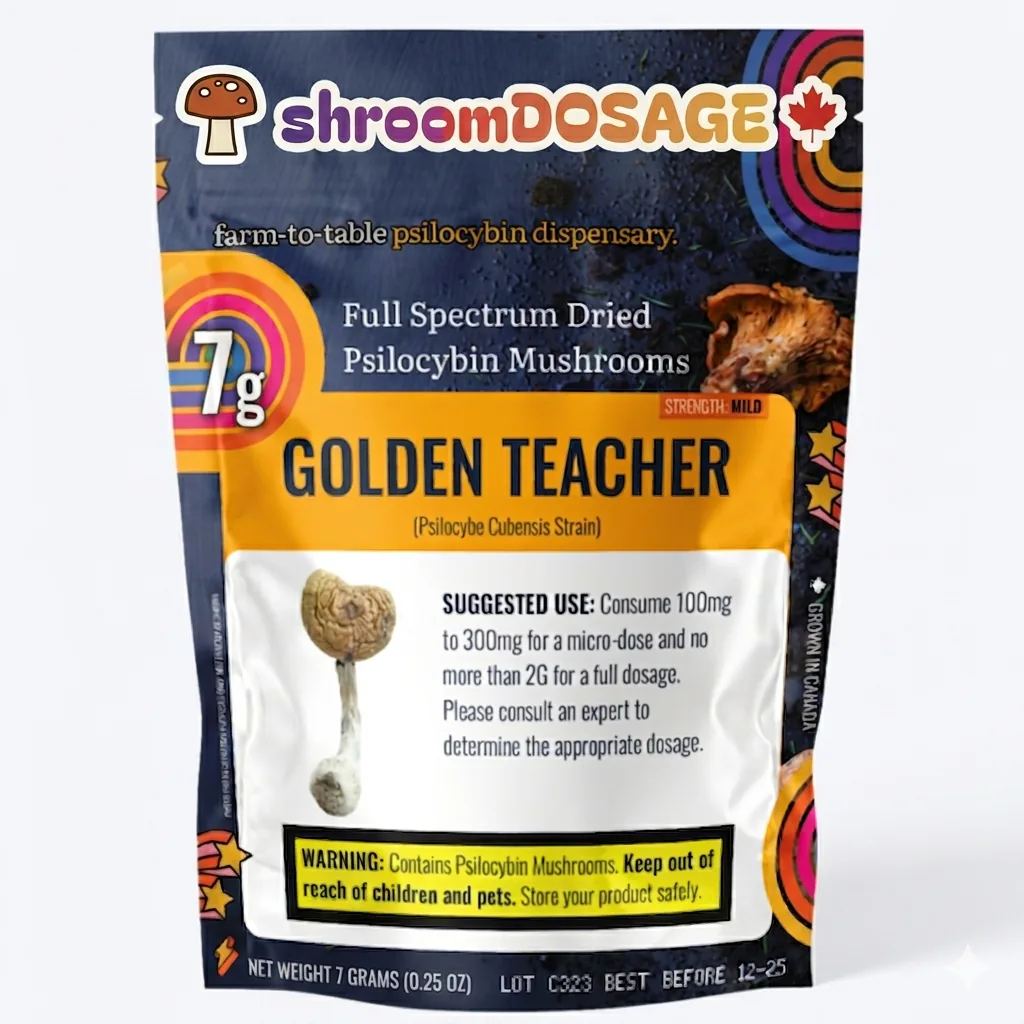
Golden Teacher's
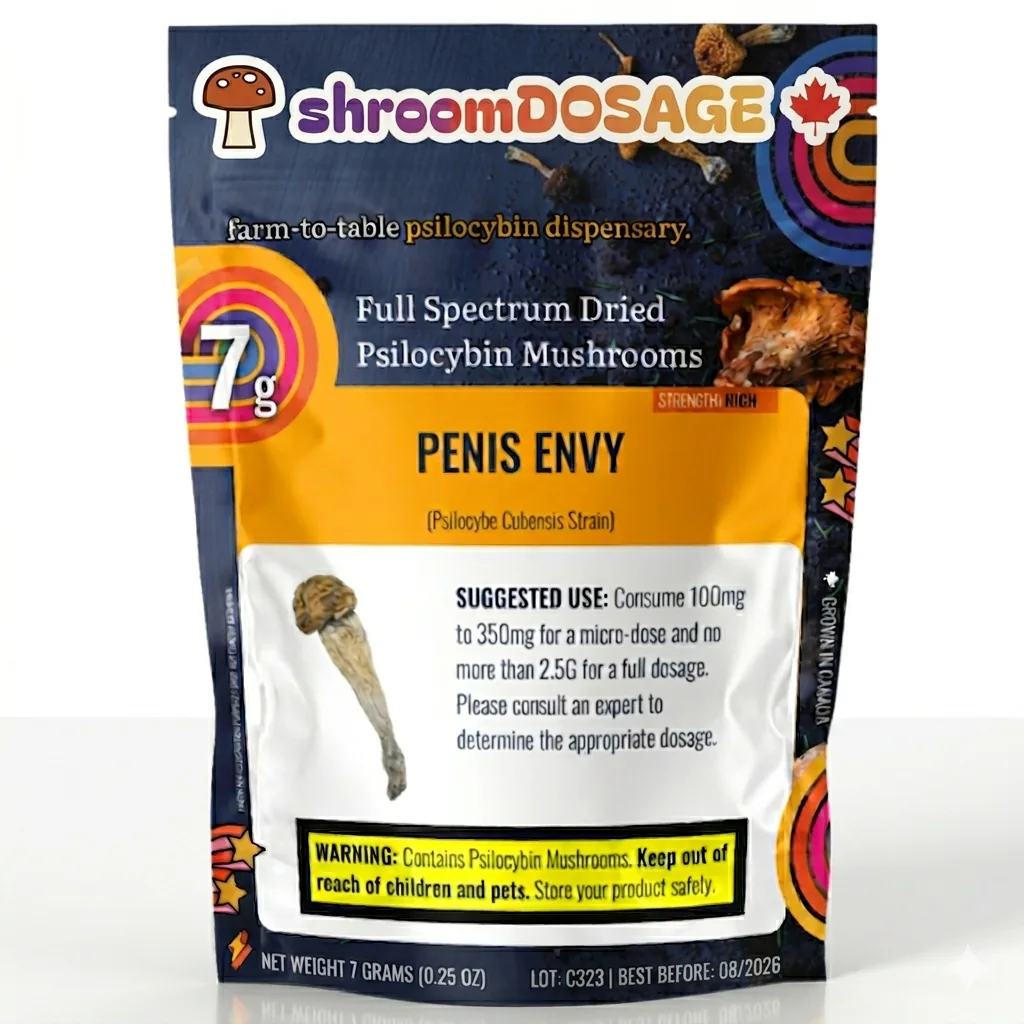
3.5g · 7g · 28g · ½ lb
The reference strain. 0.6–0.8% total tryptamines. Predictable 4–5 hour window. The calculator's default benchmark.
$44.99 CAD
A research-first directory of functional and psilocybin mushrooms — potency ratings, active compounds, cited studies, and sourcing context.
12 entries
3.5g · 7g · 28g · ½ lb
The reference strain. 0.6–0.8% total tryptamines. Predictable 4–5 hour window. The calculator's default benchmark.
3.5g · 7g · 28g · ½ lb
Analytically verified at 1.0–1.6% tryptamines — 2× standard cubensis. Use the calculator. Halve your usual gram count and go from there.
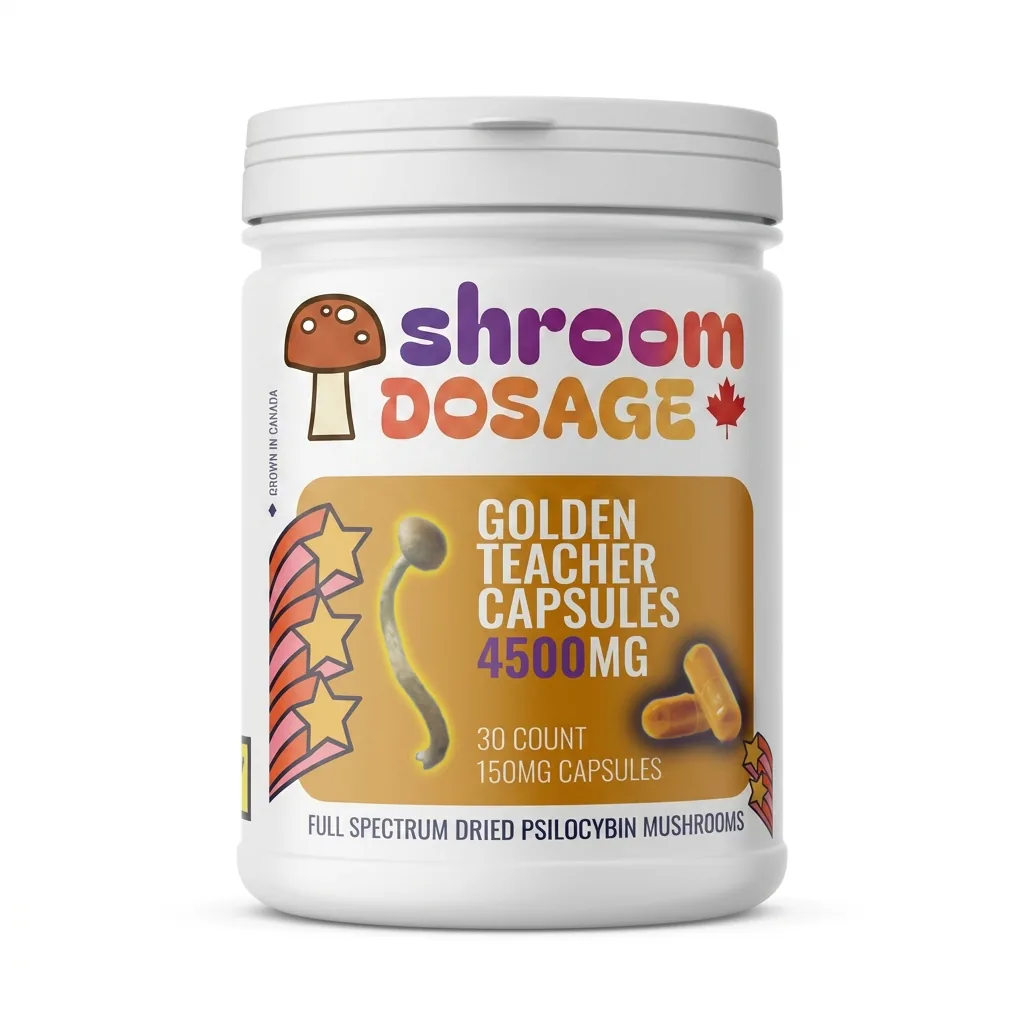
30 ct · 150mg each (4,500mg total)
150mg dried Golden Teacher per capsule. 30-day microdose supply. Sub-perceptual at standard frequencies. BC-grown, batch weight-verified.
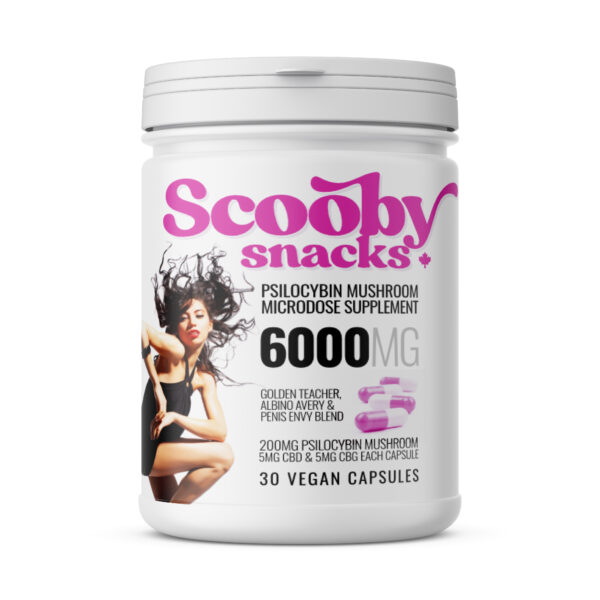
30 ct · 200mg psilocybin · 5mg CBD · 5mg CBG each (6,000mg total)
200mg P. cubensis + 5mg CBD + 5mg CBG per cap. The CBD/CBG stack is intended to soften edges and reduce anxiety at the microdose level.
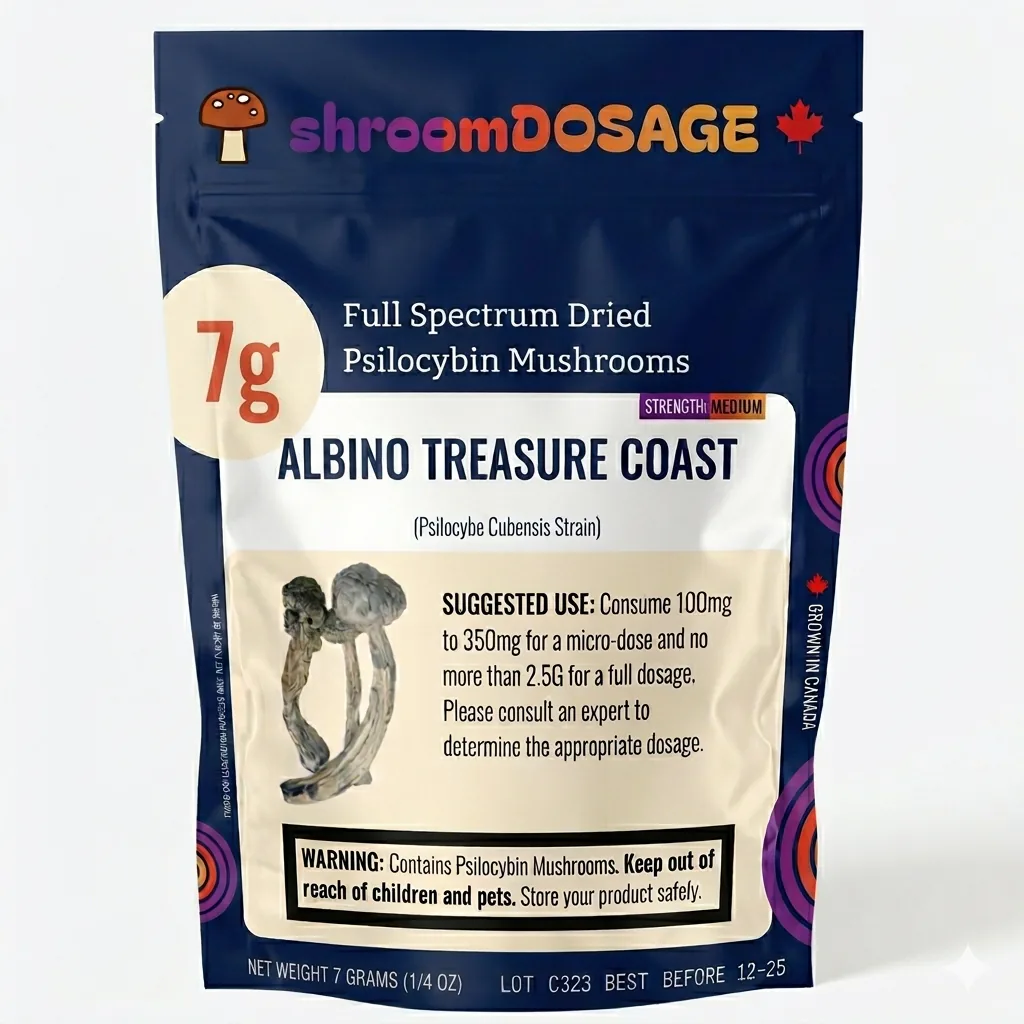
3.5g · 7g · 28g · ½ lb
Leucistic Treasure Coast variant. Pale caps, medium potency. Visual and energetic profile, faster onset than standard cubensis.
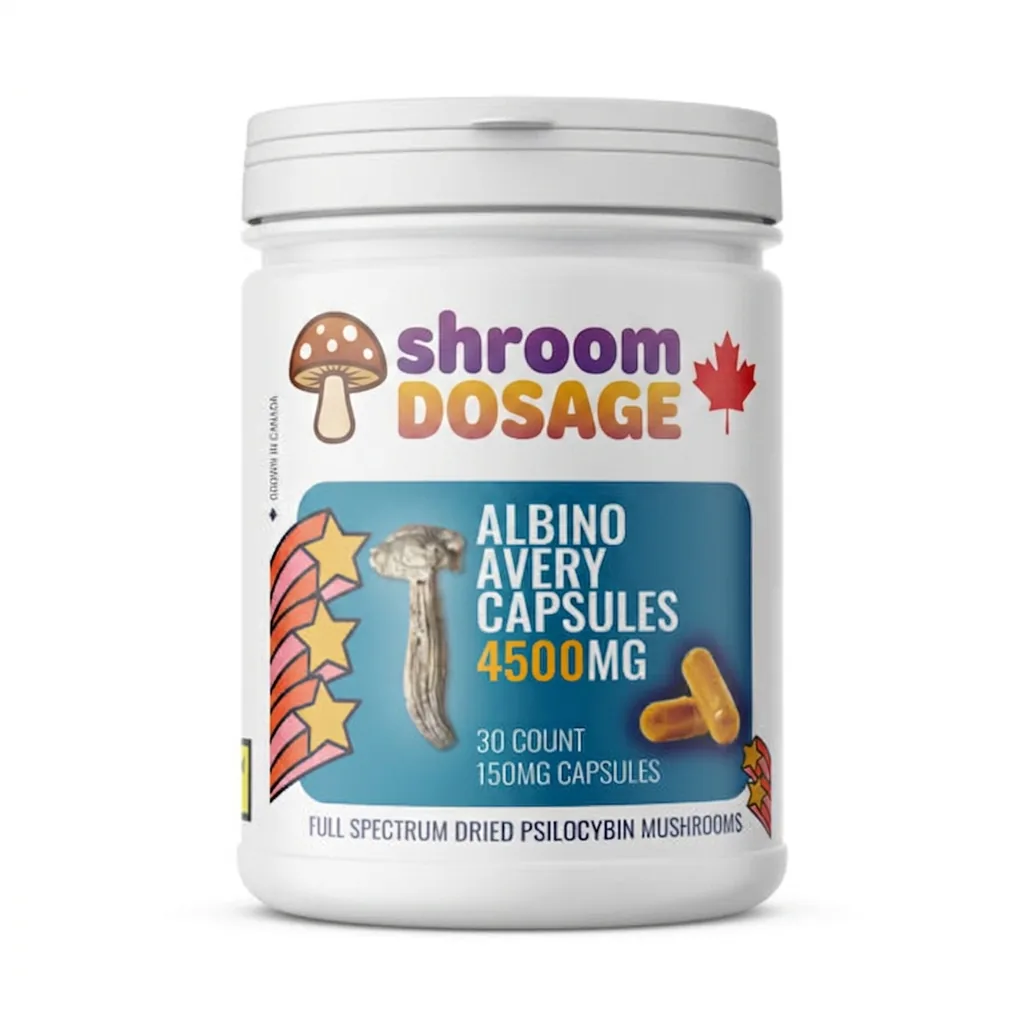
30 ct · 150mg each (4,500mg total)
150mg Albino Avery per capsule. The classic microdose format with a slightly more visual-energetic profile than GT caps.
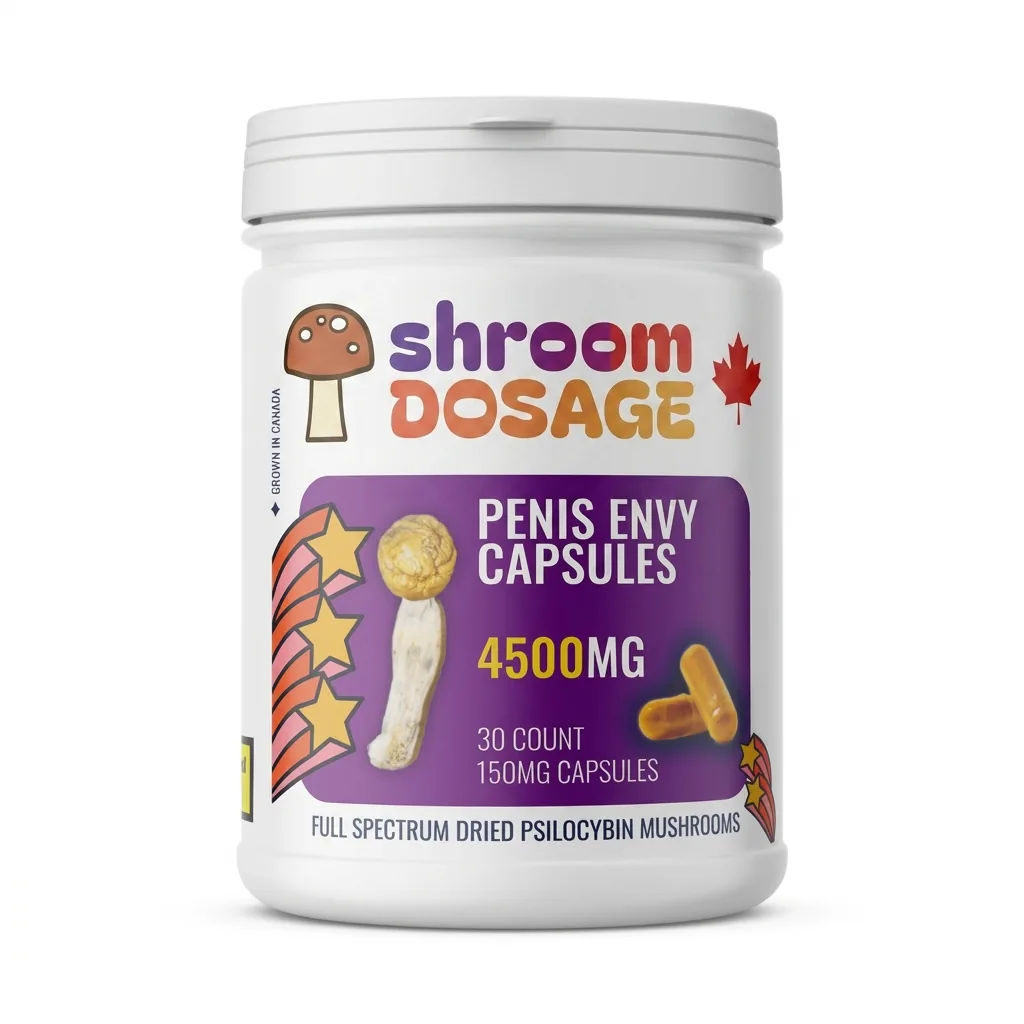
30 ct · 150mg each (4,500mg total)
150mg PE per cap. Higher-potency strain at a consistent microdose weight. For researchers already calibrated with full-dose PE.
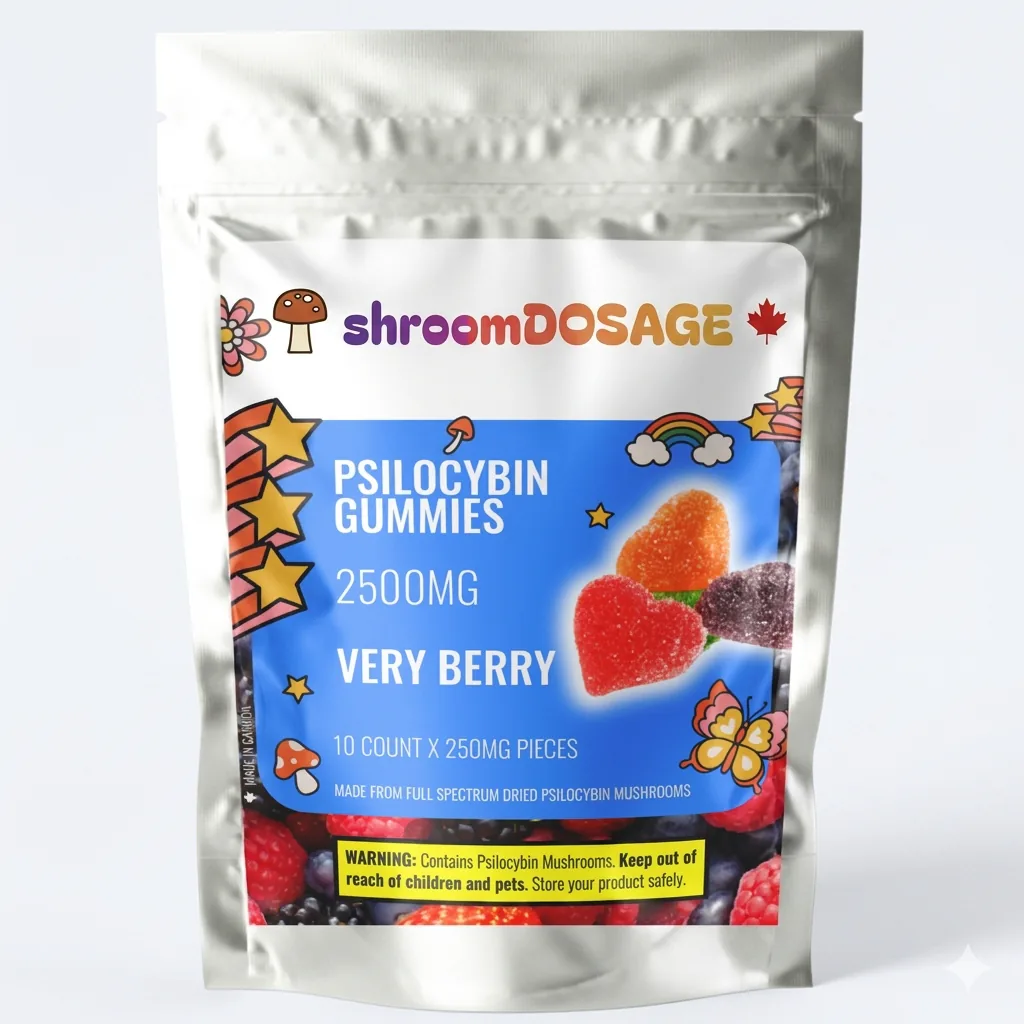
10 pieces · 250mg each (2,500mg total)
10 sour berry gummies, 250mg P. cubensis each. Consistent dose per piece. 1 gummy = museum dose range. No earthy taste.
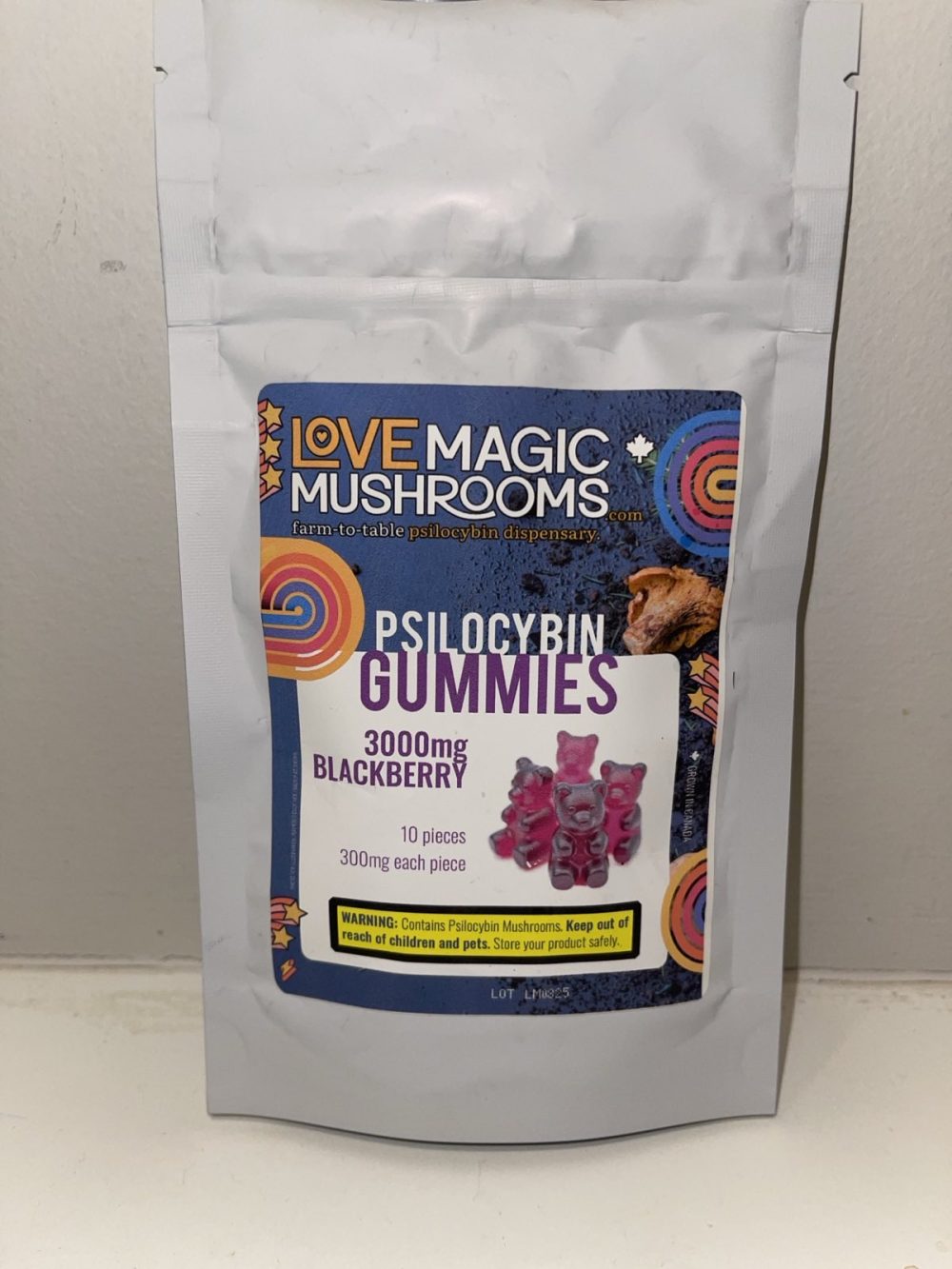
10 pieces · 300mg each (3,000mg total)
10 gummies, 300mg P. cubensis each. Slightly stronger per piece than the Very Berry. Clean, straightforward format at the lowest price point.
0.5g
Albino Treasure Coast psilocybin concentrate. 0.5g sample size. High potency per gram — dose well below your dried mushroom baseline.
1g
1g Albino Treasure Coast psilocybin concentrate. Practical reorder size for established concentrate researchers.
5g
5g Albino Treasure Coast psilocybin concentrate. Maximum value for long-term concentrate users or group research programs.